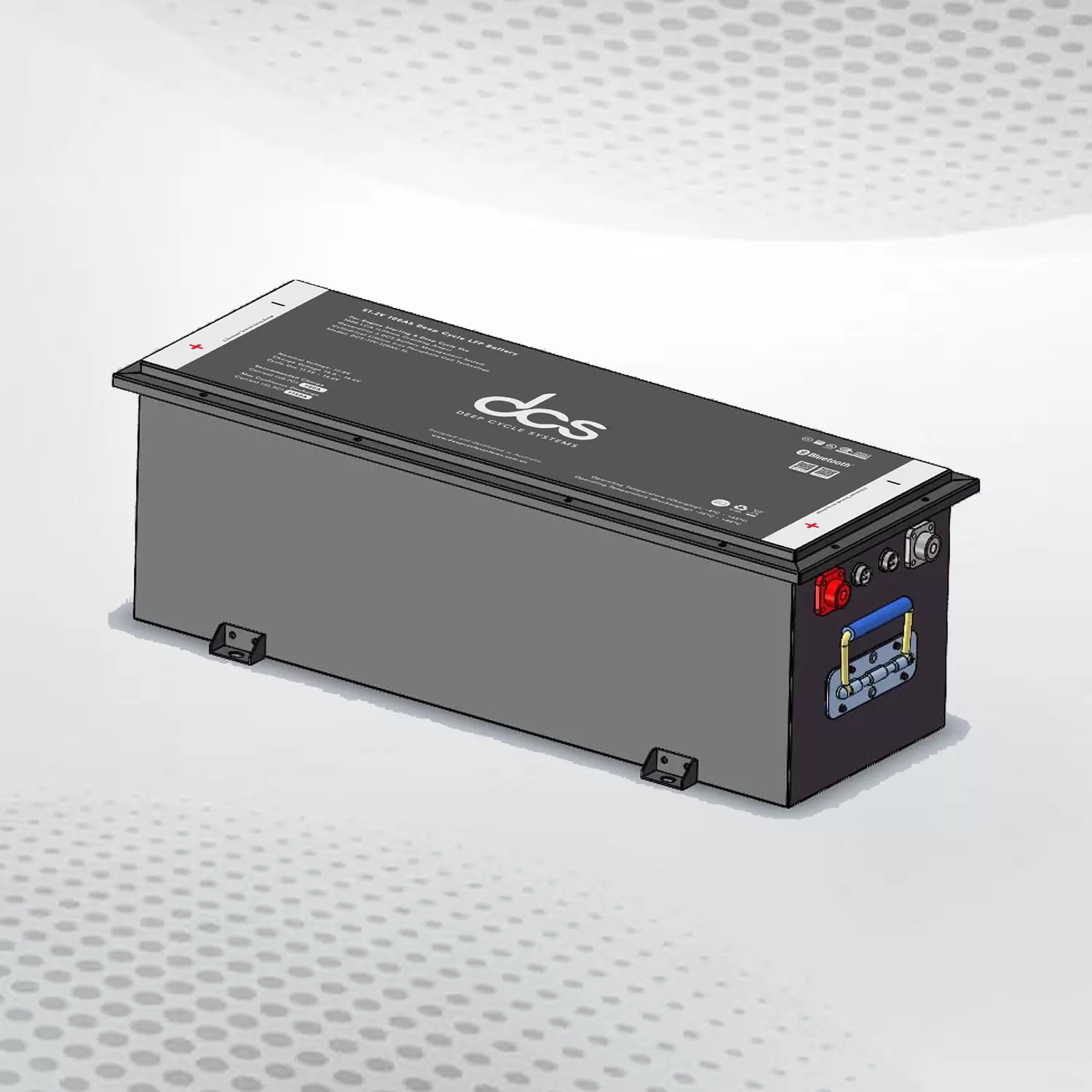
Tag: Lfp Battery 48v

  • The Power of 48V Batteries: Benefits of High-Voltage Batteries

    The Power of 48V Batteries: Benefits of High-Voltage Batteries

    The world of batteries is evolving at a rapid pace, with advancements in technology leading to the development of more powerful and efficient energy storage solutions. Among the most exciting innovations in recent years is the rise of high-voltage batteries, particularly those operating at a voltage of 48 V. This may seem like a relatively small increase in voltage, but the impact it has on the performance and capabilities of electric vehicles, renewable energy systems, and industrial applications is nothing short of transformative. With 48V batteries, you can expect increased power density, reduced energy losses, and extended battery life, making them an attractive option for a wide range of applications. In this post, we’ll delve into the benefits and potential applications of 48 V high-voltage batteries, and explore the exciting possibilities that this technology has to offer.

    What is 48 V and why is it gaining popularity?

    In the world of electric power, voltage is the key to unlocking the full potential of a system. From the humble household appliances to the most advanced industrial machinery, voltage plays a crucial role in determining the performance, efficiency, and reliability of the equipment. Among the various voltage levels, 48 V is emerging as a game-changer, revolutionizing the way we think about electric power. So, what is 48 V, and why is it gaining popularity?

    In simple terms, 48 V refers to a high-voltage battery system that operates at a nominal voltage of 48 volts. This may seem like a relatively high voltage, but it’s actually a sweet spot that offers a unique set of benefits. The 48 V system is designed to provide a higher power density, which means more energy can be stored and released in a smaller package. This is achieved through the use of advanced battery chemistries, such as lithium-ion, nickel-cadmium, and lead-acid.

    The popularity of 48 V systems can be attributed to several factors. One of the primary reasons is the increasing demand for high-power, high-efficiency applications, such as electric vehicles, renewable energy systems, and industrial automation. The 48 V system is well-suited for these applications, as it can provide a high power output while minimizing the size and weight of the battery pack.

    Another reason for the growing popularity of 48 V is the ease of integration with existing systems. The 48 V system can be easily integrated with existing 12V and 24V systems, making it a versatile option for a wide range of applications. This flexibility, combined with its high power density, has made the 48 V system a favorite among engineers and manufacturers.

    In this blog post, we’ll delve deeper into the benefits of 48 V systems and explore the various applications where they can make a significant impact. From electric vehicles to industrial automation, we’ll examine the advantages and challenges of using 48 V systems, and provide insights on how to get the most out of this powerful technology.

    48V BatteriesBenefits of 48 V batteries

    When it comes to powering your daily life, the voltage of your battery can make all the difference. In the world of high-voltage batteries, 48 V stands out as a game-changer. With its increased power and efficiency, 48 V batteries offer a range of benefits that can revolutionize the way you live and work.

    Increased Energy Density

    One of the most significant advantages of 48 V batteries is their increased energy density. This means that they can store more power in a smaller space, making them ideal for applications where space is limited. Whether you’re using them to power your electric vehicle, your home, or your business, 48 V batteries can provide the reliable and efficient energy you need to stay ahead.

    Improved Durability

    Another benefit of 48 V batteries is their improved durability. With their increased voltage, they can withstand the rigors of daily use and still maintain their performance over time. This means that you can count on them to provide reliable power, even in the most demanding conditions.

    Improved Safety

    In addition to their increased energy density and durability, 48 V batteries also offer improved safety. With their higher voltage, they can provide more efficient and reliable charging, which reduces the risk of overheating and other safety hazards. This means that you can use them with confidence, knowing that they’re designed to keep you safe.

    Flexibility & Versatility

    Finally, 48 V batteries also offer greater flexibility and versatility. With their increased voltage, they can power a wide range of devices and applications, from small appliances to heavy machinery. This means that you can use them to power your entire home, or just a specific device, depending on your needs.

    Overall, the benefits of 48 V batteries are clear. With their increased energy density, improved durability, improved safety, and greater flexibility and versatility, they can revolutionize the way you live and work. Whether you’re looking for a reliable and efficient source of power for your daily life, or you’re looking to upgrade your business operations, 48 V batteries are the perfect choice.

    What are the applications for 48 V batteries?

    As the world continues to shift towards a more sustainable and electrified future, the demand for high-voltage batteries has never been higher. And among the various voltage options available, 48 V batteries have emerged as a standout choice for many applications. But what exactly are these applications, and how do they benefit from the unique characteristics of 48 V batteries?

    From electric vehicles to renewable energy systems, 48 V batteries are playing a crucial role in powering innovative solutions. In the automotive sector, 48 V batteries are being used to enhance the performance and efficiency of electric vehicles, enabling longer driving ranges and faster charging times. In the renewable energy space, 48 V batteries are being used to stabilize grid power and provide backup energy storage for homes and businesses.

    In addition, 48 V batteries are also being used in a range of industrial and commercial applications, from powering industrial machinery and equipment to providing backup power for critical infrastructure such as data centers and hospitals. The benefits of 48 V batteries in these applications include increased energy density, reduced weight and size, and improved reliability and lifespan.

    In this section, we’ll take a closer look at the various applications of 48 V batteries, and explore the ways in which they are helping to drive innovation and sustainability in a range of industries. Whether you’re an entrepreneur, engineer, or simply interested in the latest developments in battery technology, you’ll want to read on to learn more about the exciting possibilities of 48 V batteries.

    How does LFP Battery 48V compare to other voltages?

    When it comes to electric vehicles, the choice of voltage is crucial in determining the overall performance and efficiency of the battery. The industry has traditionally been dominated by 12V and 24V batteries, but the rise of high-voltage batteries like LFP Battery 48V has raised questions about its advantages and disadvantages. In this section, we’ll delve into the world of voltage and explore how 48 V compares to other popular options.

    At first glance, 48 V may seem like a significant jump from the more common 12V and 24V batteries. However, when examining the characteristics of each voltage, it becomes clear that 48 V is not just a higher number, but a game-changer in terms of power and efficiency. For instance, 48 V batteries typically have a higher energy density, which means they can store more energy per unit of weight and volume. This increased energy density translates to longer driving ranges, faster charging times, and improved overall performance.

    In contrast, 12V batteries, which are commonly used in traditional vehicles, are often characterized by lower energy density and lower power output. This means they may not be as suitable for electric vehicles, which require high power and rapid acceleration. 24V batteries, on the other hand, offer a balance between power and energy density, but may not be as efficient as 48 V batteries in terms of energy storage.

    The key takeaway is that 48 V batteries offer a unique combination of power, efficiency, and energy density that sets them apart from other voltage options. By understanding the benefits and limitations of 48 V batteries, manufacturers and consumers can make informed decisions about the future of electric vehicles and the role of high-voltage batteries in shaping that future.

    Advantages of 48V LFP Battery over traditional 12V systems

    As the world of technology continues to evolve, the importance of battery power has become increasingly evident. The humble 48V LFP battery, once the gold standard of electrical systems, has been surpassed by the mighty 48 V battery. With its higher voltage, the 48 V battery offers a multitude of advantages over its traditional 12V counterpart. One of the most significant benefits is increased power density. This means that the 48 V battery can deliver more power relative to its size, making it an ideal choice for applications where space is limited.

    Another significant advantage of 48 V systems is their ability to handle heavier loads. Whether it’s powering a high-torque motor or charging a large-capacity device, the 48 V battery is better equipped to handle the demands of today’s technology. This is particularly important in industries such as electric vehicles, renewable energy, and data centers, where high-performance batteries are critical to operation.

    Furthermore, 48 V systems offer improved efficiency and reduced energy losses. With a higher voltage, the 48 V battery can operate at a more efficient level, resulting in increased overall performance and reduced energy consumption. This is particularly beneficial in applications where energy efficiency is paramount, such as in data centers and renewable energy systems.

    In addition, the 48 V battery’s higher voltage also enables the use of more advanced battery management systems (BMS). This means that the 48 V battery can be better monitored and controlled, ensuring optimal performance and extending its lifespan.

    In conclusion, the 48 V battery offers a range of advantages over traditional 12V systems, including increased power density, improved efficiency, and better handling of heavy loads. As the world continues to rely on battery power, the 48 V battery is poised to play a critical role in shaping the future of technology.

    Conclusion

    As you’ve learned throughout this article, the power of 48V batteries is not just a buzzword, but a game-changer for industries and applications that require high-performance, reliable, and efficient energy storage. From electric vehicles to renewable energy systems, the benefits of high-voltage batteries have far-reaching implications for sustainability, cost savings, and innovation. By embracing the power of 48 V, manufacturers, consumers, and the environment can all reap the rewards of this exciting technology.

    FAQs

    What is a 48 V battery, and where are they commonly used?

    A 48 V battery refers to a battery system with a nominal voltage of 48 volts. These batteries are commonly used in various applications such as electric vehicles (EVs), golf carts, forklifts, telecommunications backup power, and renewable energy storage systems. Their 48-volt output is often suitable for powering medium to large-scale electrical systems efficiently.

    What are the advantages of using a LFP battery 48V?

    There are several advantages to using a LFP battery 48V. Firstly, 48 V systems typically offer higher power and energy capacities compared to lower voltage systems, allowing for more demanding applications. Additionally, 48 V systems often result in lower power losses and reduced wiring costs due to the higher voltage, leading to increased efficiency. Moreover, many modern electrical systems and components are designed to operate optimally with 48 V power sources.

    What factors should be considered when selecting and using a 48 V battery system?

    When selecting and using a 48 V battery system, several factors should be considered, including the specific requirements of the application, battery chemistry (such as lead-acid, lithium-ion, or nickel-based chemistries), capacity (measured in ampere-hours, Ah), cycle life, charging and discharging rates, operating temperature range, and safety features. It’s essential to choose a battery system that meets the voltage and capacity needs of the application while considering factors such as space constraints, weight, maintenance requirements, and cost-effectiveness. Additionally, proper installation, maintenance, and safety precautions should be followed to ensure optimal performance and longevity.

    Other Good Articles to Read
    Skank Blogs
    Unreal Blogs
    Tba Blogs
    All City Forums
    Dany Blogs
    Refuge Blogs
    The Music Blogs
    Key Forums
    The Big Blog Theory
    Joe Blogs
    Blogs 4 Me
    Blogs Emon
    Related Business Listings
    Contact Directory
    Local Business Profiles
  • Unlocking Well-being: A Guide to the LFP Battery 48V

    Unlocking Well-being: A Guide to the LFP Battery 48V

    In today’s fast-paced world, where sustainability and energy efficiency are becoming increasingly important, the role of battery technology is more significant than ever. One type of battery gaining traction in recent years is the LFP Battery 48V. This advanced technology offers improved performance and contributes to unlocking well-being in various aspects of our lives.

    Understanding the Basics of LFP-Battery 48V Technology

    Lithium Iron Phosphate (LFP) batteries represent a leap forward in rechargeable power storage solutions. Characterized by their chemical composition, these batteries are distinguished by their robust longevity, impressive energy density, and superior safety margins compared to many alternatives on the market. The “48V” in LFP-Battery 48V specifies the operational voltage, making them highly adaptable across a broad spectrum of uses, spanning domestic and industrial sectors.

    The hallmark of LFP technology lies in its eco-friendly profile, employing materials that are less harmful to the environment. One of the standout features of these batteries is their resilience to temperature fluctuations and ability to withstand numerous charge cycles without significant degradation. This durability translates to fewer replacements over time, underscoring their sustainable appeal.

    Additionally, the compact, lightweight design of LFP batteries belies their powerful capacity, offering users a maintenance-free solution that keeps performance high. The advancement in LFP technology has been pivotal in pushing the boundaries of what’s possible in energy storage, laying the groundwork for a future where efficient, reliable power is accessible across various applications. With ongoing improvements and innovations, LFP batteries continue to set the standard for what we expect from modern energy storage solutions.

    The Environmental Benefits of Switching to 48v Lifepo4 Battery

    Distinctly, 48v Lifepo4 Battery manifests a substantial reduction in hazardous waste, thanks to their non-toxic materials, in contrast to their more commonly used lead-acid counterparts. This attribute significantly minimizes the ecological footprint left by their production and disposal.

    A pivotal environmental advantage is their enhanced efficiency in energy consumption. LFP batteries are adept at storing more energy with less wastage, thereby requiring less power to charge and operate effectively. This efficiency plays a crucial role in reducing the demand for power plants, many of which still rely on fossil fuels, thus contributing to a decrease in greenhouse gas emissions.

    Moreover, the longevity of LFP batteries stands out, as they endure more charge and discharge cycles before their performance starts to wane. This extended lifespan means fewer batteries need to be produced, lowering the demand for raw materials and energy for manufacturing and diminishing the environmental impact associated with their life cycle. Additionally, the recyclability of LFP batteries furthers their green credentials. At the end of their life, these batteries can be repurposed or their materials reclaimed, reducing the need for new resources and the amount of waste sent to landfills.

    Lithium 48 Volt BatteryHow LFP-Battery 48V Can Improve Your Home Energy Systems

    Incorporating LFP-Battery 48V into residential energy setups is a significant step toward achieving greater energy independence and efficiency. These batteries are crucial in solar energy systems, enabling homeowners to capture and store surplus power generated during peak sunlight hours.

    This stored energy can then be utilized during nighttime or periods of high demand, offering a steady and reliable energy supply that can significantly reduce reliance on traditional power grids. The ability to effectively harness and store solar energy can lead to considerable savings on electricity bills, as it diminishes the need to purchase power during peak pricing periods.

    Moreover, adopting LFP-Battery 48V technology in home energy systems supports the shift towards more sustainable living practices. By optimizing the use of renewable resources, households can play an active role in reducing carbon emissions and contributing to environmental conservation efforts. Integrating these batteries with home solar panels not only propels clean energy but also enhances the overall resilience of home energy systems against power outages and grid instabilities.

    Another compelling aspect of LFP-Battery 48V is its contribution to the smart home ecosystem. Paired with energy management systems, these batteries can intelligently allocate stored power, ensuring that energy usage is optimized according to the household’s needs and preferences. This level of control and efficiency is transformative, making it easier for homeowners to manage their energy consumption and further bolster their energy savings.

    Enhancing Mobility and Transportation with 48 Volt Lithium Battery

    The transformative impact of 48 Volt Lithium Battery technologies extends into mobility and transportation, promising a significant evolution in how we move. Deploying these batteries in electric vehicles (EVs) sets new benchmarks for performance and sustainability. LFP batteries distinguish themselves by offering longer driving ranges and more robust resistance to wear over time, which are crucial for the EV market. These advantages ensure that vehicles travel farther on a single charge and maintain their battery capacity for many more years compared to vehicles powered by traditional lithium-ion batteries.

    Electric buses and commercial fleets are also reaping the benefits of LFP-Battery 48V technology. By adopting these batteries, transportation companies can reduce operating costs and minimize downtime, thanks to the batteries’ quick charging capabilities and longevity. This shift is not just about efficiency; it represents a larger move towards reducing the carbon footprint of public and commercial transport systems.

    In the recreational sector, LFP-Battery 48V makes inroads into electric bikes and scooters, offering users lighter, more powerful, and safer alternatives. The adaptability of LFP technology to different vehicle sizes and types underscores its versatility and potential to redefine transportation norms.

    The Role of LFP-Battery 48V in Renewable Energy Integration

    Integrating renewable energy sources like solar and wind into our power systems is pivotal for a sustainable future. However, the erratic nature of these energy sources presents a significant hurdle in achieving a stable energy supply. This is where the LFP-Battery 48V technology steps in, acting as a bridge that mitigates the gap between energy generation and consumption. By efficiently storing surplus energy generated during peak production times, these batteries ensure that the power is readily available when sunlight wanes or the wind slows.

    The stored energy can then be released back into the grid during periods of high demand or used directly by consumers, enhancing the overall efficiency and reliability of renewable energy systems. This ability to store and dispense power on demand is crucial for reducing reliance on non-renewable energy sources, which are often used to fill these gaps.

    Moreover, LFP-Battery 48V systems are key players in microgrid and off-grid solutions, where they provide a consistent power supply in remote or unstable regions, further democratizing access to clean energy. Their high energy density, coupled with a lower risk of thermal runaway, makes them particularly suited for these applications, offering a safer and more robust solution for managing renewable energy.

    Cost-Benefit Analysis of Lithium 48 Volt Battery Adoption

    When evaluating the adoption of Lithium 48 Volt Battery technology, the initial higher investment may raise eyebrows among potential users. However, delving deeper into the financial implications reveals a different story—one of significant long-term savings and value. Over their lifecycle, LFP batteries demonstrate remarkable cost-effectiveness due to their extended service life, which can span over a decade with proper maintenance. This durability sharply contrasts with traditional battery types, which may require frequent replacements over the same period.

    Additionally, the energy efficiency of LFP batteries stands out. Their ability to store more energy per unit and release it with minimal loss translates into lower energy costs. Users benefit from decreased electricity consumption for charging, as well as reduced dependency on the grid, especially during peak hours when energy prices surge.

    Operational costs also tip the scales in favor of LFP batteries. With minimal maintenance needs, the expenses and manpower associated with upkeep are significantly lower. This aspect is crucial for both individual and commercial users, for whom downtime or maintenance operations can result in lost revenue or inconvenience.

    Navigating the Challenges and Considerations of LFP-Battery 48V Usage

    Adopting LFP-Battery 48V technology, while advantageous in numerous ways, presents its own set of challenges and considerations. One primary concern is the initial setup and integration process. Users must ensure that their existing systems are compatible with these batteries, which may involve upgrades or modifications. This step is crucial for optimizing performance and achieving the full benefits of LFP technology.

    Another factor to consider is temperature management. Although LFP batteries are renowned for their robustness and ability to withstand various environmental conditions, maintaining an optimal temperature range is vital for prolonging battery life and maximizing efficiency. This may necessitate the installation of temperature regulation systems, especially in climates prone to extreme temperatures.

    Compatibility issues can also arise, particularly when integrating LFP batteries into older or existing energy systems. It is essential to assess the compatibility of inverters, chargers, and other components to ensure they can handle the specific characteristics of LFP batteries. In some cases, additional equipment or adapters may be required to bridge any compatibility gaps.

    A glimpse into the future: What is next for LFP-Battery 48V?

    The horizon for LFP-Battery 48V technology is expansive and brimming with potential as we navigate towards a more sustainable and energy-efficient future. Advances in materials science and engineering are paving the way for even more powerful and compact LFP batteries, potentially revolutionizing their application in everything from consumer electronics to large-scale energy storage systems. The focus is not only on enhancing the energy density and longevity of these batteries but also on making them more cost-effective and accessible to a wider audience.

    Emerging trends in the industry suggest a move towards integrating smart technology with LFP batteries, allowing for real-time monitoring and management of energy usage, further optimizing their efficiency and lifecycle. This could see LFP batteries becoming an even more integral part of smart grids and IoT devices, offering seamless adaptability to varying energy demands.

    Moreover, research into novel manufacturing techniques is underway, aiming to reduce the environmental impact of battery production and ensure that the materials used are sourced ethically and sustainably. This aligns with the global push towards minimizing the carbon footprint of technology and promoting circular economy principles within the industry.

    Collaborations between academic institutions, industry leaders, and governments are fostering an environment of innovation and discovery around LFP technology. These partnerships are crucial for overcoming current limitations and unlocking the full potential of LFP-Battery 48V technology, setting the stage for a future where clean, reliable, and affordable energy storage is a cornerstone of global energy systems.

    FAQ’S

    Q: What sets LFP batteries apart in terms of safety?

    A: LFP batteries are less prone to overheating and are more stable in adverse conditions, making them safer than many other types of batteries. Their chemical composition significantly reduces the risk of thermal runaway, a common issue with other lithium-based batteries.

    Q: How does the lifespan of LFP batteries compare to others?

    A: With the potential to last over a decade, LFP batteries outperform many traditional battery technologies in terms of longevity. This extended lifespan is due to their ability to endure more charge-discharge cycles without significant loss of capacity.

    Q: What makes LFP batteries a greener option?

    A: The materials used in LFP batteries are less harmful to the environment, and their longer lifespan means less frequent replacements. Additionally, their recyclability further enhances their eco-friendly profile, allowing for the recovery and reuse of valuable materials.

    Conclusion

    LFP-Battery 48V technology stands at the forefront of energy innovation, providing a robust and eco-friendly power storage solution that transcends traditional limitations. As we strive for a more sustainable and energy-efficient future, the adoption of LFP batteries across various domains—from home energy systems to electric vehicles and beyond—demonstrates a commitment to environmental stewardship and technological advancement.

    Other Good Articles to Read
    tooblog
    Jason Toff Blogs
    Thumb Blogs
    Blog Shifter
    Social Bookmarking Blogs
    Free Blogs Template
    Blog Solidaire
    Michael Coyne Blog
    Born Free Blog
    Oz Blog Hosting
    Indepth News
    Link Forum
    Related Business Listings
    Contact Directory
    Local Business Profiles